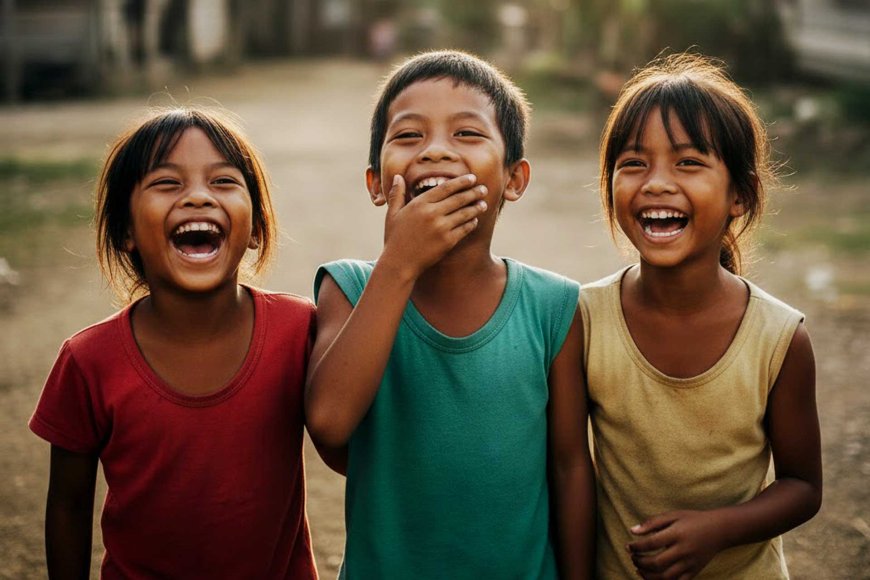
The Real Filipino Condition Beneath the Smile
1. Historical Roots of Resilience
Centuries of colonization, war, and economic struggle shaped a national character that embraces uncertainty with grace.
Smiling became a form of resistance, a way to assert humanity when circumstances tried to diminish it.
2. Economic and Social Hardships
Many Filipinos face low wages, long commutes, and family separation due to overseas work.
Rising living costs push people to find joy in affordable pleasures like TikTok, teleseryes, and online games, which serve as lifelines rather than luxuries.
3. Cultural Anchors
Bayanihan (communal unity): Hardship is rarely faced alone; rebuilding after storms or sharing meals strengthens bonds.
Faith and spirituality: Smiling often reflects trust in divine timing and hope for tomorrow.
Family sacrifice: Parents and overseas workers smile through exhaustion and homesickness to support loved ones.
4. Psychological Perspective
Psychologists describe the Filipino smile as part of positive psychology, a way to tap into inner strengths and connect with others.
Smiling softens conflict, preserves dignity, and acts as a social bridge when words fall short.
The Filipino smile endures as more than a fleeting gesture. It is a cultural language that speaks of resilience, faith, and unity. Even when poverty, inequality, and hardship weigh heavily, Filipinos continue to smile not out of denial, but as a quiet defiance against despair. Their smiles reassure families, strengthen communities, and preserve dignity in the face of adversity.
Beneath the smile lies the real Filipino condition: a people who transform struggle into hope, who find joy in simplicity, and who carry humor as a shield against sorrow. To honor this smile is to recognize both the beauty and the burden it conceals. True respect for the Filipino spirit comes not from romanticizing resilience, but from working toward a society where joy is no longer resistance, but a natural state of living.


No comments:
Post a Comment